
I don’t just report data. I turn problems into priorities, and priorities into decisions.
You know your content has problems—not searchable, not engaging, not meeting your business goals. My content strategy services will elevate your brand’s voice and online presence. With over 12 years of experience in strategy and content creation, I specialize in audits, GEO and SEO searchability, competitive analysis, and the creation of impactful copy in all formats, including website, social, and thought leadership. Leverage my expertise and passion for great messaging to create compelling content that resonates with your audience and drives results.
My Portfolio & Case Studies

LEAD GENERATION - VIEW CASE STUDY
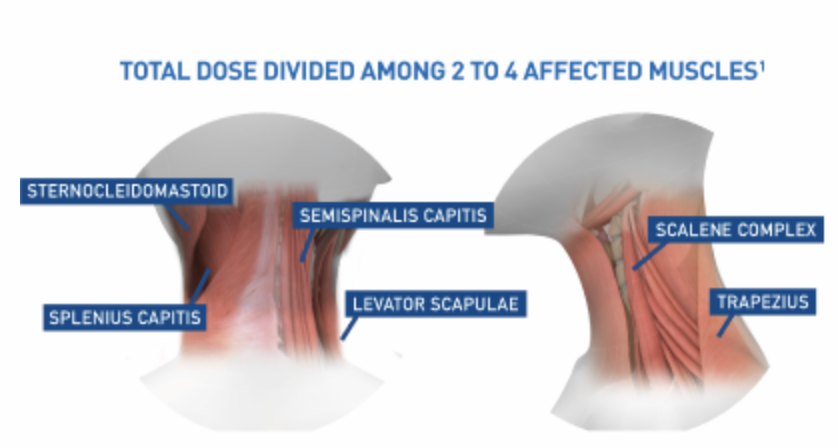
REPURPOSING CONTENT - VIEW CASE STUDY

THOUGHT LEADERSHIP - VIEW CASE STUDY

NAVIGATION & SEARCH - VIEW CASE STUDY

CLARITY & FINDABILITY - VIEW CASE STUDY
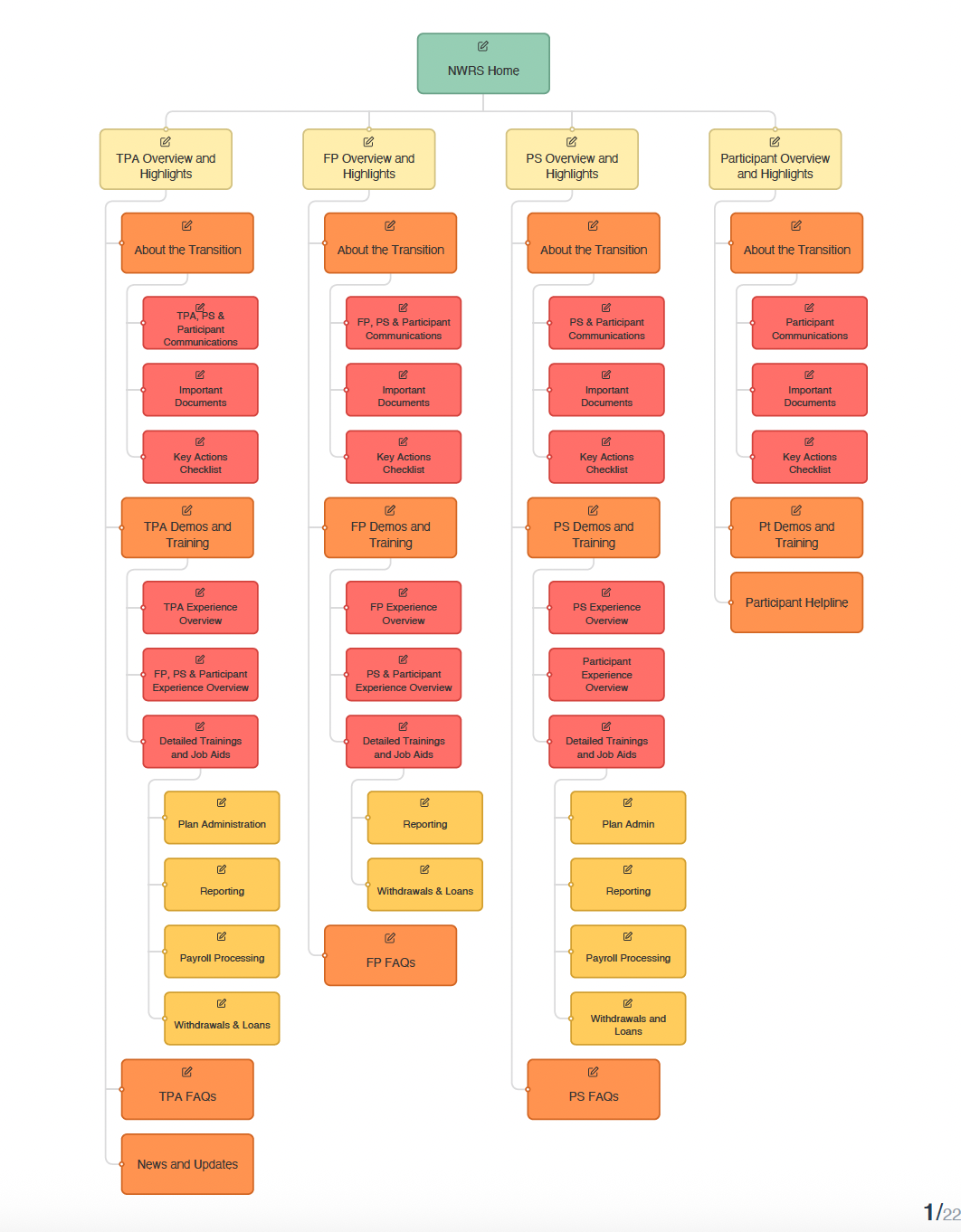
INFO ARCHITECTURE - VIEW CASE STUDY

WEBSITE REVAMP - VIEW CASE STUDY

DIFFERENTIATION - VIEW CASE STUDY

COMPETITIVE ANALYSIS - VIEW CASE STUDY
ENGAGEMENT - VIEW CASE STUDY

ENTREPRENEURSHIP

CONTENT WRITING SERVICES

SOCIAL MEDIA
FAQs
Q1: What is a content audit?
A content audit is a structured evaluation of all content across a website, app, social media, or other channels to assess performance, accuracy, and opportunities for improvement.
Q2: How do you conduct a content audit?
I conduct content audits using a six-step process that evaluates quality, performance, and SEO, then translates findings into action.
Inventory and Documentation
Content Quality Check
Analytics
SEO Analysis
Recommendations
Three-Stage Action Plan
Q3: Why is content findability important?
Findability ensures users and search engines can locate your content fast. Improving findability boosts engagement, SEO performance, and accessibility.
Q4: What’s the difference between a content audit and a UX audit?
A content audit focuses on messaging, clarity, and structure, while a UX audit evaluates usability, navigation, and user interaction. Navigation is one area where they often intersect. Both types of audits are essential for a high-performing site.
Q5: How long does a content audit take?
A content audit typically takes 1–4 weeks, depending on site size and complexity. I also offer phased approaches for large-scale websites.
Q6: What tools do you use for content audits?
I use analytics, SEO tools, and custom frameworks to evaluate content performance and quality, including GA4, Screaming Frog, Semrush, and structured scoring models.
Q7: What is content findability?
Content findability is how easily users and search engines can locate and understand content. It depends on structure, internal linking, metadata, and on-page clarity.
Q8: What is a competitive analysis?
A competitive analysis examines competitors’ strategies, strengths, weaknesses, and positioning to identify gaps and opportunities in the market.
Q9: What are common mistakes in content strategy?
Common content strategy mistakes reduce performance and scalability. They include:
- Publishing without a clear goal
- Ignoring SEO fundamentals
- Overlapping content topics
- Not updating outdated posts
- Weak internal linking
Q10: How does content strategy impact SEO?
Content strategy impacts SEO by aligning content with user intent, keywords, and technical best practices. It builds topical authority and supports long-term organic growth.
Q11: Why audit content for healthcare websites?
Healthcare websites must be accurate, compliant, and user-friendly. A content audit helps ensure clarity, accessibility, and up-to-date information for patients and providers.
Q12: How do you measure content performance?
I measure content performance using engagement, visibility, and conversion metrics, including traffic, bounce rate, time on page, keyword rankings, and clarity.
Q13: What happens after a content audit?
After a content audit, you receive a prioritized roadmap outlining what to keep, revise, delete, or consolidate. I can also support execution and impact tracking.
Q14: How does AI affect content audits?
AI can automate parts of a content audit, such as classification and tagging, but human expertise is still required for interpretation, prioritization, and strategy.
Q15: Where does a content audit fit in the buyer journey?
Content audits support every stage of the buyer journey by ensuring relevant, accurate content exists from awareness through decision. They help identify gaps that block conversion.
Q16: How do I know if my content is trustworthy?
Trustworthy content is accurate, well-sourced, and regularly updated. Clear authorship, citations, transparency, and maintenance signals help establish trust.